

Nutrition Lead Emma White (ANutr), MSc Human Nutrition is passionate about how food science applies to the human body, and how the nutrients in what we eat affect us and ultimately have an impact on our health.
The use of weight-loss injections such as Mounjaro and Wegovy has increased rapidly in recent years. These medications typically aid weight loss by helping to reduce appetite, slow emptying of food from the stomach and help to manage blood sugar levels. While these medications can be a useful weight loss tool for some people, it’s important to note that they aren’t just a standalone solution.
Weight loss injections such as Mounjaro don’t directly cause weight loss, but lead those on them to typically consume less food, which ultimately leads to weight loss. While this effect on appetite can be useful to some people who have found it challenging to lose weight using other methods, it may not ensure long-term success and overall healthy outcomes without some additional focus on diet and lifestyle habits.
Top dietary considerations
Dietary guidance for those taking weight loss injections is similar to the healthy eating guidelines given to the general population. However, it’s possibly even more imperative for those taking these medications to ensure they’re following these guidelines in order to manage possible negative symptoms, improve success outcomes and help with transitioning away from the medications over time.
Read on for 9 top dietary considerations and why they’re so important when using weight loss injections:
A healthy balance is key
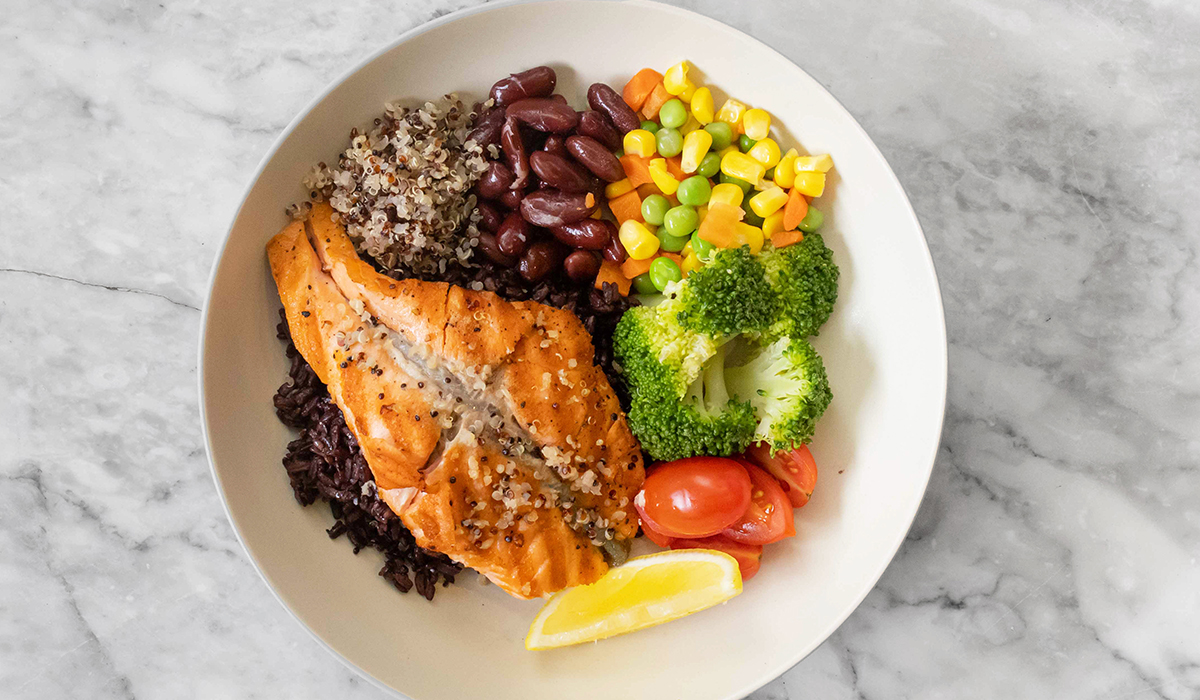
Due to the impact weight-loss injections have on appetite and the resulting, sometimes more rapid, decrease in overall food intake, the risk of nutrient deficiencies can be higher. This is why it’s essential to consider the balance of nutrients in your diet and to aim to prioritise nutrient-rich whole foods in place of foods that may typically be higher in sugar, saturated fat and salt. Fruits, vegetables, wholegrains, lean protein and healthy fat sources should form the foundation of your diet, with those less nutrient-rich foods such as confectionery and other pre-packaged snacks being more of an occasional choice.
Forming healthier dietary habits is also a necessary stepping stone to long-term weight-loss success – create new habits now, and when you transition away from weight-loss medications, maintaining weight loss will be easier in the long term.
Adequate protein is essential
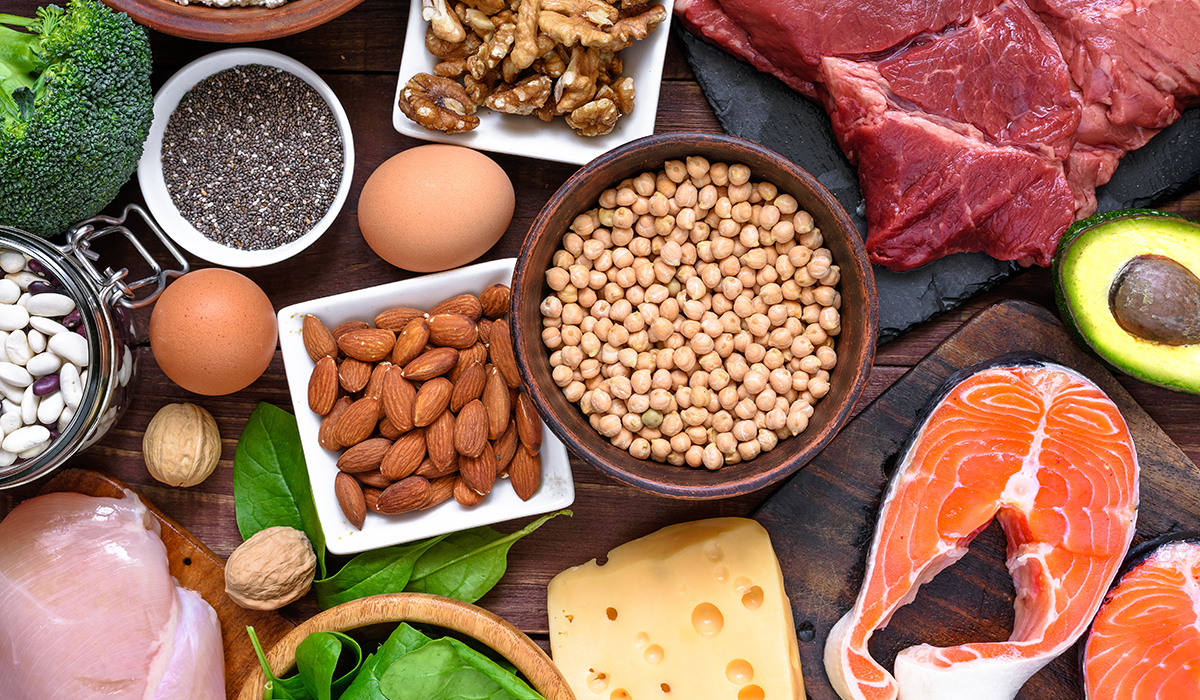
Losing weight using any method can lead to some muscle mass loss alongside fat loss, but with weight-loss injections, this effect can often be more significant. One thing that can help to mitigate this is ensuring an adequate intake of dietary protein. While there are no official protein recommendations for those taking weight-loss injections, the general opinion is to aim for a higher intake than the minimum recommendations of 0.75g/kg of body weight for general health. Somewhere in the region of 1.2-1.6g/kg protein would be considered a higher level that can help support weight loss and muscle mass maintenance. Protein is also a satiating nutrient, so it is a great nutrient to prioritise when aiming to lose weight, as it can help with appetite control.
Fibre for blood sugar support
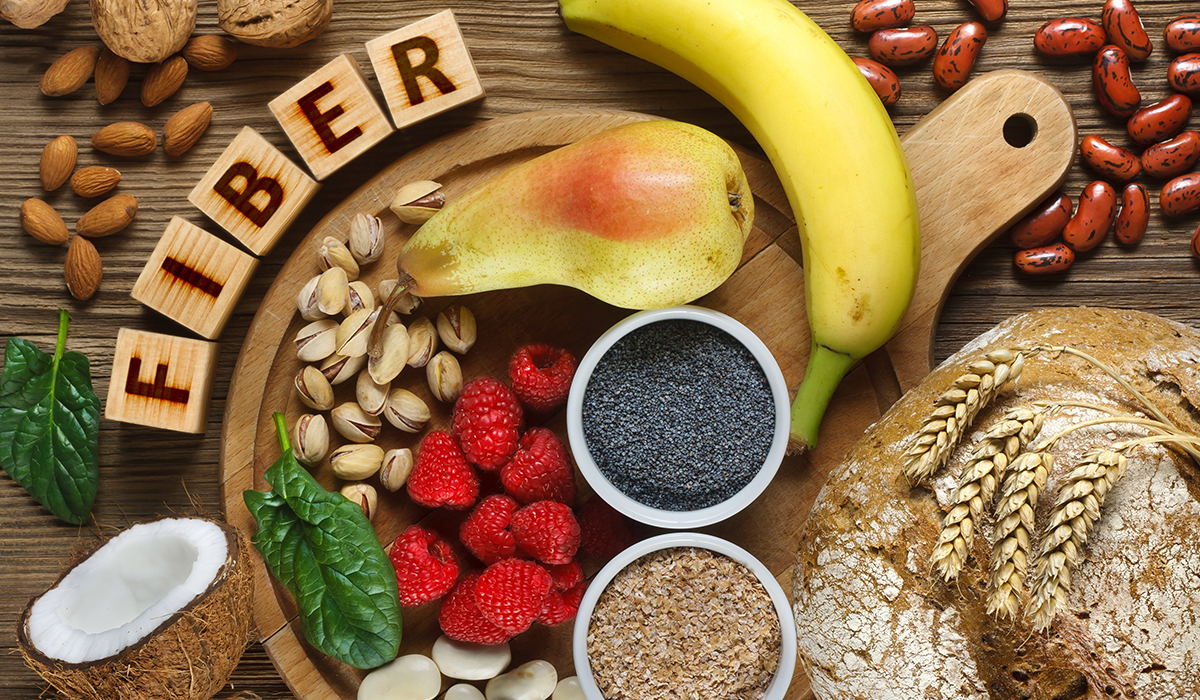
Fibre, arguably the nutrient of the moment, is important while using weight-loss injections for multiple reasons. Much like protein, fibre can help with feelings of fullness, so it is helpful for appetite control. It also plays a crucial role in stabilising blood sugar levels since fibre helps slow down the digestion and absorption of sugar into the bloodstream. This can be important for energy levels and appetite regulation. Plus, fibre is extremely important for gut health and digestive processes, and can help with reducing issues such as constipation – a common side effect experienced by those taking weight-loss injections.
We should all be aiming to have at least 30g of fibre per day for overall health. If your intake is currently lower than this, aim to gradually increase your intake over time to allow your digestive system time to adjust. Ensure adequate fluid intake too, alongside increasing fibre.
A note on fats
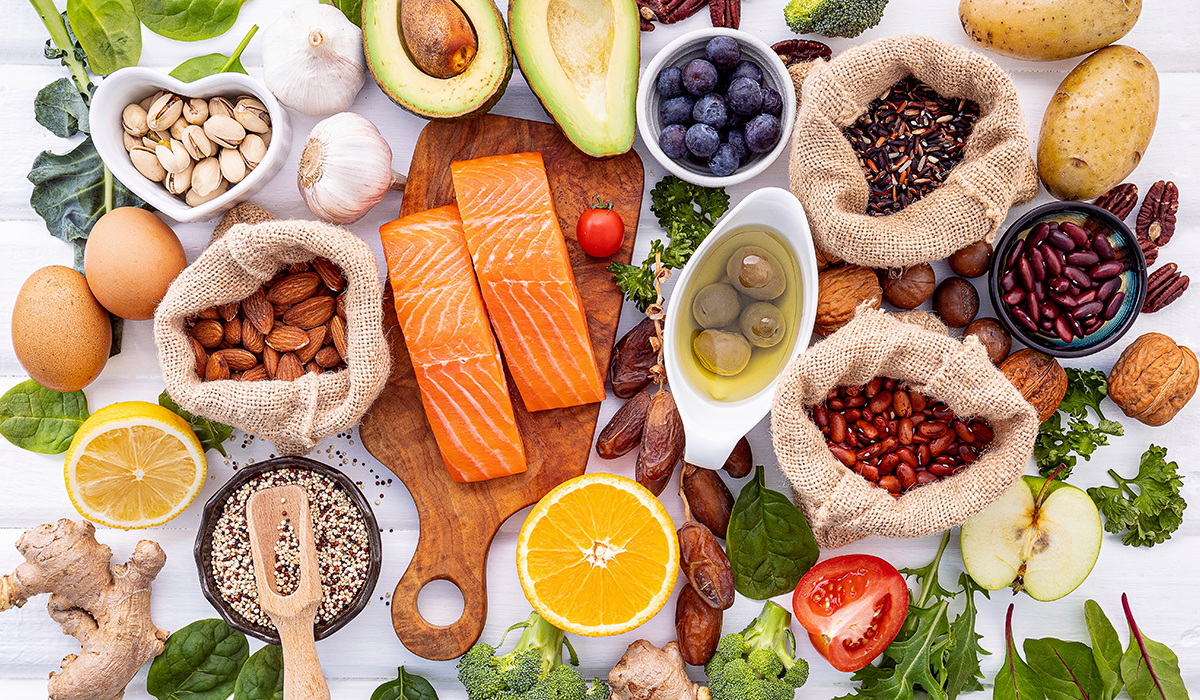
Some fat in our diet is important for general health - it can support the health of all the cells in our body, and is also necessary for us to absorb fat-soluble vitamins such as vitamin A and vitamin E. This is particularly important when we need to maximise our nutrient uptake while losing weight.
While some fat is needed, certain types can lead to an increased risk of some gastrointestinal side effects associated with weight-loss injections, such as nausea and diarrhoea. Deep-fried or rich creamy foods may not be tolerated well, and are also typically high in saturated fats, which can increase the risk of heart disease over time. Instead, focusing on foods rich in unsaturated fats such as avocado, oily fish, nuts, seeds and olive oil is best.
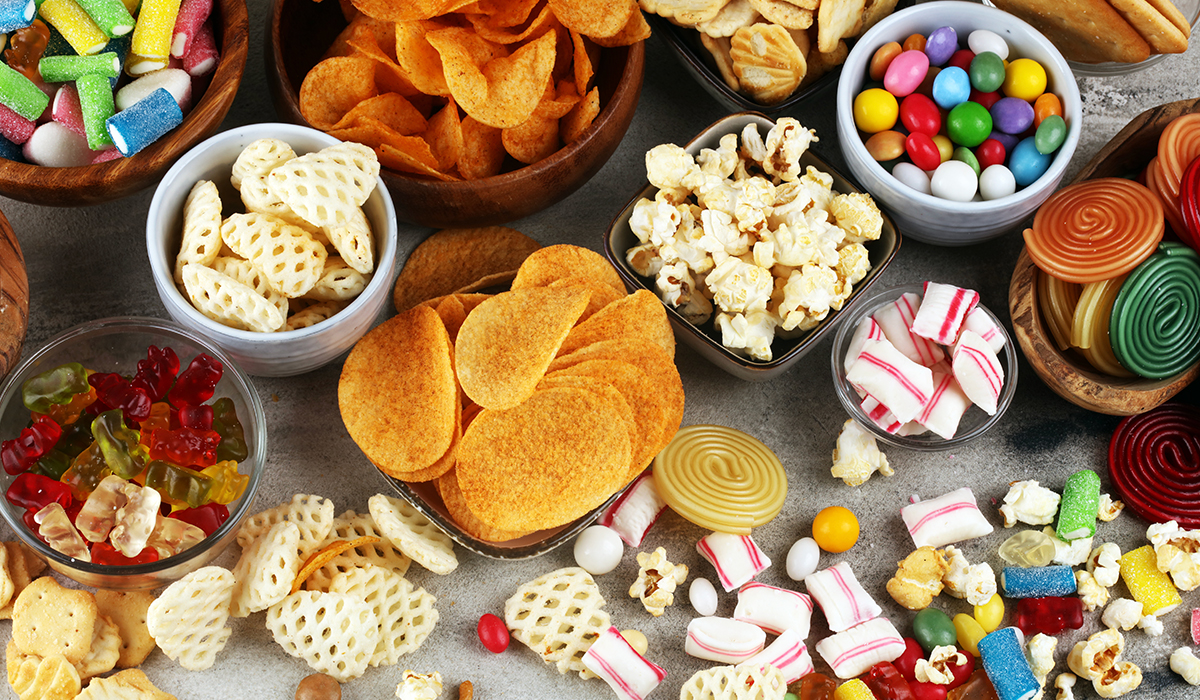
Limit foods high in sugar, salt and saturated fat
While foods such as confectionery, crisps, takeaways and pre-packaged meals can have a place in a healthy, balanced diet in moderation, they shouldn’t form the basis of your diet. These foods tend to be nutrient-poor and are rich in sugar, saturated fat and salt - all of which we should look to moderate in our diet.
While taking weight-loss injections, a lack of appetite can mean it’s not uncommon for some people to find that they don’t feel like eating full meals. This may increase snacking, and reaching for something calorie-dense and easy, such as crisps, chocolate or biscuits. While this may be a quick way to get in calories for the day, it doesn’t help support the intake of important nutrients. Eating a small, well-balanced meal such as some fruit and yogurt, avocado and egg on toast, or a small bowl of veggie pasta may be a better choice.

Aim for small, regular meals
Weight-loss injections have an impact on how long it takes food to leave the stomach which reduces hunger, and can fill you up faster after eating, but can also lead to some side effects such as nausea. Aiming for smaller, more frequent meals throughout the day can help to manage this. Planning this in will also help to ensure you’re not undereating as you aim to split your calories across 5-6 small meals throughout the day to help with eating enough. It can also be helpful to plan in slightly larger meals earlier on in the day, and your smallest one at the end of the day, as many people suffer from gastrointestinal discomfort when they eat larger meals later in the day.

Identify symptom-triggering foods
Everyone will respond differently to certain foods, so it’s important to identify which foods trigger your symptoms the most. Tracking all of your foods can help with spotting which foods may lead to things like nausea or stomach cramps. In Nutracheck, there is also the Diary Notes section, which is a really handy place to note down symptoms and what time they occurred, for example. This can help with identifying patterns and can be a great tool in managing your intake to reduce the likelihood of negative symptoms.

Pay attention to hydration
Just as appetite reduces, cues to drink enough fluid can also be reduced. Good hydration is vital while taking weight-loss injections to support the healthy functioning of the digestive system and to help reduce the risk of nausea and constipation. Aim to sip water regularly throughout the day to stay well hydrated and to avoid feeling nauseous. Tea and coffee also count towards fluid intake - just be mindful of overall caffeine intake, as this can be a trigger for gastrointestinal discomfort for some people.

Limit alcohol
While the occasional small glass of wine is fine as part of a well-balanced diet, excessive intakes can impact the overall balance of the diet and may put you at risk of nutrient deficiencies. It’s sensible to prioritise nutrient-rich foods over nutrient-poor choices such as alcohol whilst losing weight, to help support a healthy intake.
Final thoughts
What and when you eat is just as important as how much you eat when it comes to losing weight with weight-loss injections. Planning and making better choices can help manage side effects, ensure a balanced intake of vital nutrients, and ultimately improve long-term weight loss success.