

Nutritionists Emma White (ANutr), MSc Human Nutrition and Beth Furness (ANutr), BSc Nutrition and Health, are passionate about diet and how this impacts overall health. They support evidence-based advice around nutrition and aim to help everyone better understand how different nutrients affect the body and long-term health status.
When it comes to weight loss, what you do every day really does matter more than what you do once in a while. A solid routine helps make healthy choices automatic, reduces decision fatigue, and keeps you consistent – even when life gets busy.
The great thing is, creating a healthy daily routine doesn’t have to mean dramatic changes or rigid rules. Small, realistic tweaks to your daily habits can make all the difference.
So let’s dive in – here’s how to set yourself up for weight loss success from morning to night.
1Start your day right with a balanced breakfast
While everyone’s different, most people will benefit from a balanced morning meal. Why? Skipping breakfast altogether, or grabbing something sugary on the go, can lead to energy crashes and mid-morning cravings. Instead, aim to eat a protein-rich, balanced meal within an hour or two of waking up to keep your hunger hormones steady and prevent overeating later in the day.
If you struggle to find time in the morning, try these speedy options:
- Greek yoghurt with berries and a handful of nuts.
- A boiled egg with wholegrain toast soldiers, spread with a little butter.
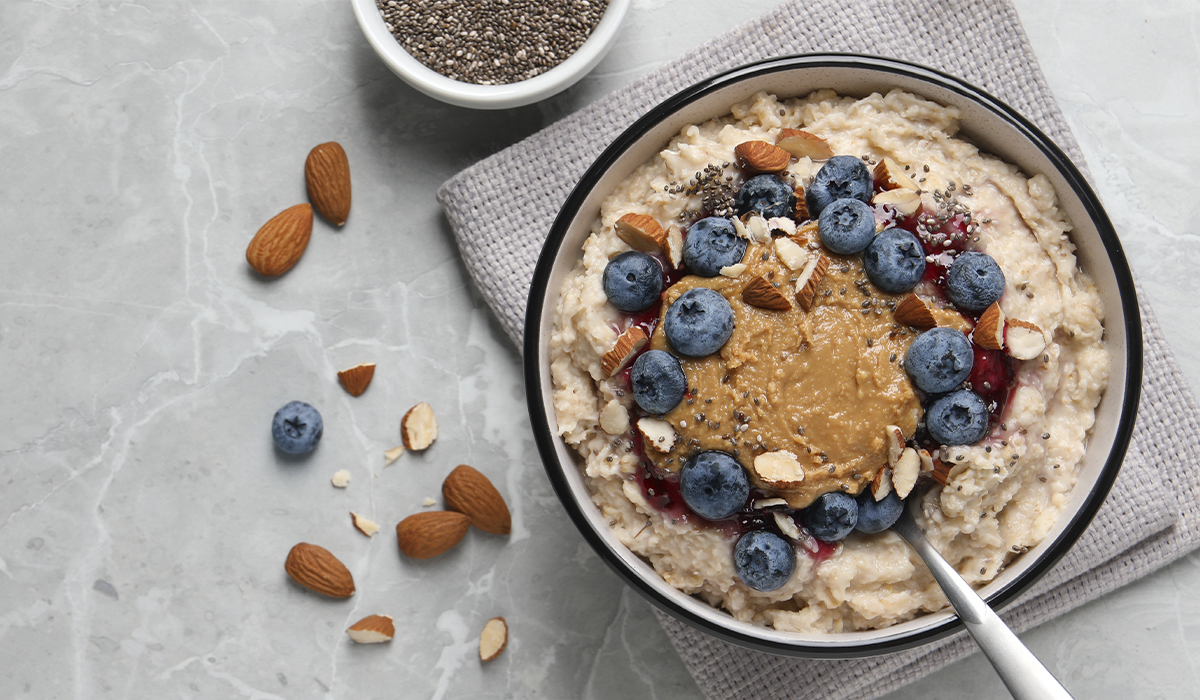
- Porridge with peanut butter and a light drizzle of honey.
Top tip: Log your breakfast in the Nutracheck app before you eat – it can help you make a more mindful choice rather than grabbing the first thing in sight.
2Plan ahead to avoid the lunchtime panic
Unfortunately, it’s all too easy to make less balanced choices when you’re hungry and unprepared – not to mention if you’re having a stressful day. If you’re grabbing a supermarket meal deal or ordering fast food at lunchtime, it can be hard to control portion sizes or calorie content.
Instead, try one of these approaches:
- The night before: Prep a protein + fibre + healthy fat lunch, like a chicken and wholegrain pasta salad with avocado.
- If buying lunch out: Check the calories in Nutracheck’s food database before you order.
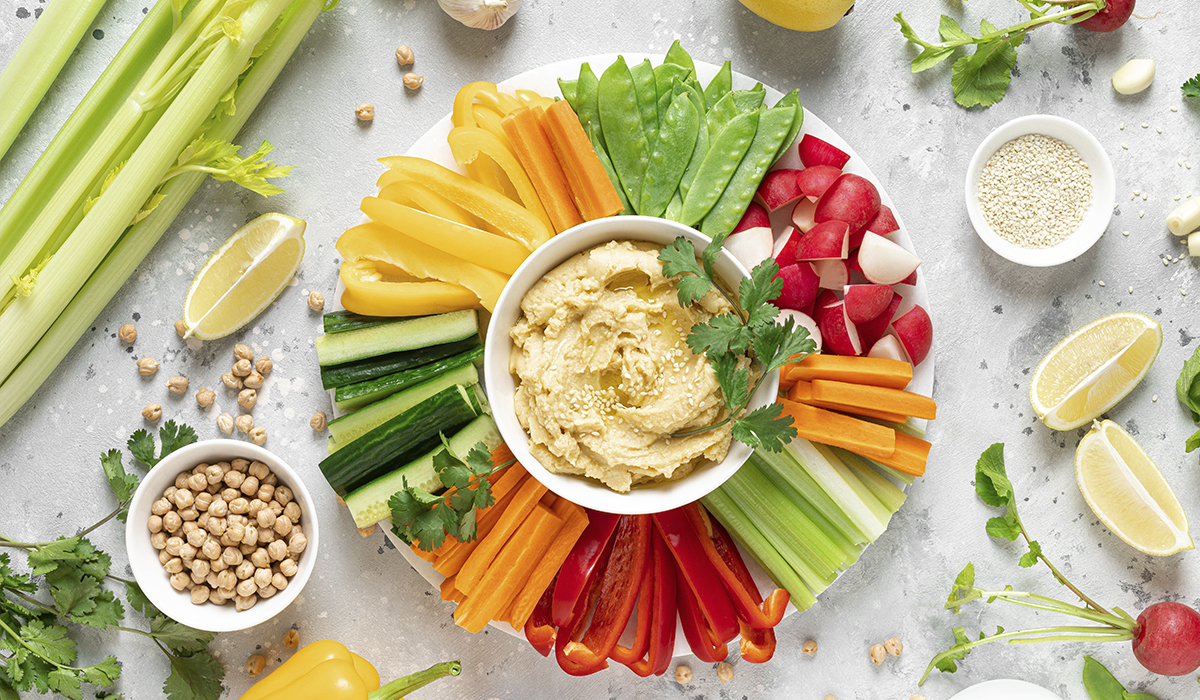
- Feeling peckish in the afternoon? Keep snacks like hummus and veg, cottage cheese, or a handful of nuts nearby to prevent impulse buys.
Top tip: If you often feel like reaching for biscuits or chocolate in the afternoon, make sure your lunch has enough protein. This helps to keep blood sugar levels steady and reduces afternoon cravings.

3 Keep moving – especially in the afternoon slump
Mid-afternoon is a common time to feel like you’re running out of energy, and this tiredness can lead to snacking out of boredom rather than hunger. If you’re at home, a short 20-minute nap can help you reset and feel refreshed. Surprisingly, the opposite can also be true – a quick burst of movement can help you to feel more alert and curb sugar or carb cravings.
Try this when you feel that afternoon slump come on:
- After lunch, take a 10-minute walk before diving back into work.
- Working from home? Try standing up for calls or doing a few squats while the kettle boils.
- Commuting? Get off the bus one stop earlier or park further away to sneak in extra steps.
Top tip: Use a step tracker in the Nutracheck app to see how movement adds up throughout the day – every bit counts!

4Curate your evening routine to prevent late-night snacking
The hours between dinner and bedtime can be the hardest to navigate. Whether you’re watching an engrossing TV show with snacks in hand, or eating out of habit rather than hunger, evenings can pose a real challenge to your weight loss goals.
Break the cycle with these tips:
- Craving something sweet? Have a herbal tea or a square of dark chocolate instead of reaching for the biscuit tin.
- Still feeling hungry? Check if your dinner included enough protein and fibre – if not, add extra veggies or lean protein next time.
- Avoid mindless munching by brushing your teeth early so you're less tempted to snack.
Top tip: If you’re under your calorie goal for the day or you’re hungry enough for an evening snack, go for something protein-based like Greek yoghurt, cottage cheese, or a boiled egg to keep you full overnight.

5Prioritise sleep to make hitting your weight loss goals easier
Did you know? A bad night’s sleep can increase hunger hormones, making you crave high-calorie foods the next day. Poor sleep also affects metabolism and energy levels, making it harder to stay active and make good food choices.
Here’s how to create a sleep-friendly routine:
- Dim the lights as soon as you start to wind down for bed, and keep your screen time to a minimum before bed.
- Avoid caffeine or alcohol before you sleep – try calming herbal teas (such as chamomile) that are naturally caffeine-free instead.
- Wind down with a book, podcast, or gentle stretching before bed.
Top tip: Track your sleep patterns and notice how they impact your hunger the next day – you might find a direct link!
Small changes add up over time
Building a daily routine that supports weight loss isn’t about completely overhauling your life – it’s about making small changes that fit into your day.
To begin with, start with one or two new habits, then build your healthy routine from there. The Nutracheck app is a great way to see how your habits are changing over time, and using it to track your meals and movement can help you feel motivated as you see your progress over time.
By focusing on structured meals, smart snacking, daily movement, and quality sleep, you’ll set yourself up for long-term success – without feeling restricted.